
Horde Survival in UEFN: Build the Co-op Zombies Mode
Horde Survival in UEFN: Build the Co-op Zombies Mode
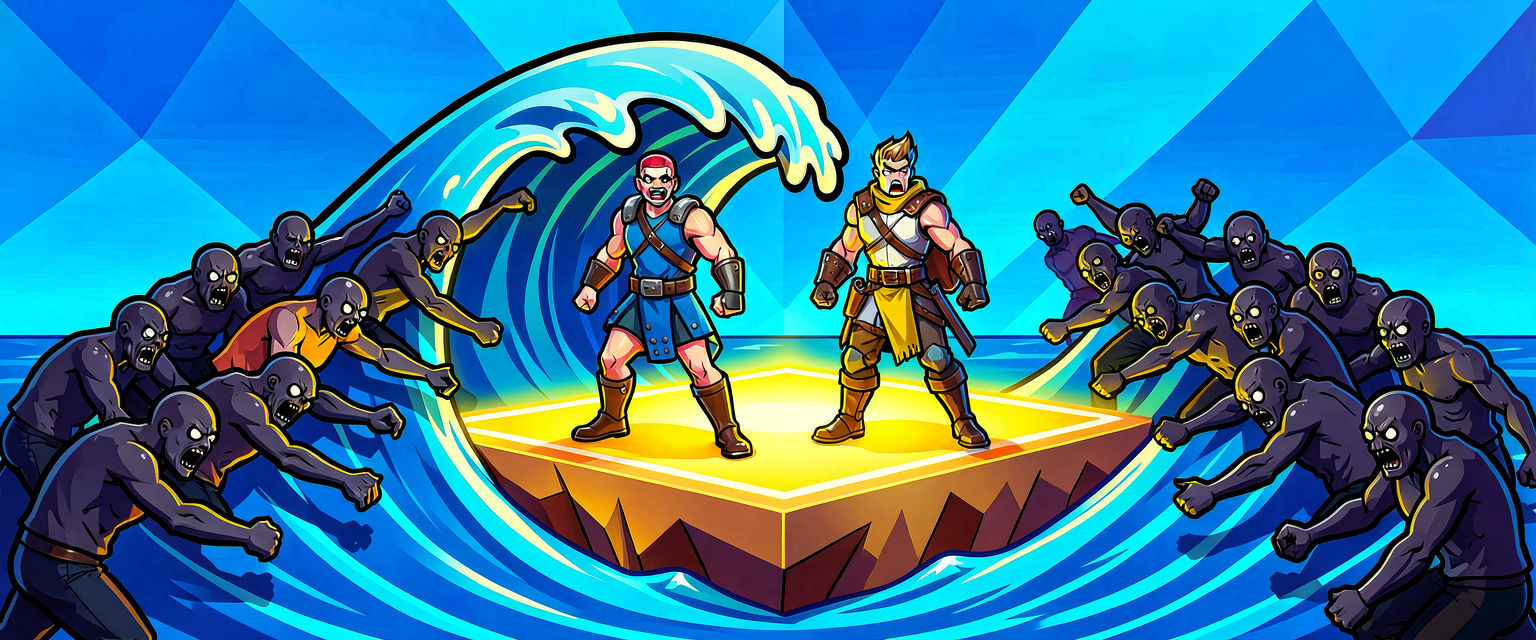
Horde Survival — "zombies" to most players — is the cooperative pressure cooker. A small team spawns into an arena and fights off escalating waves of AI enemies that come from every side. Each cleared wave is bigger and meaner than the last; you earn currency, buy better guns, and try to push your round count higher than anyone else. It's Call of Duty Zombies / Horde mode, rebuilt in Fortnite. This Game Modes entry breaks the wave loop down and builds a compile-verified Verse wave manager that counts kills, advances the wave, and ramps the difficulty.
1. What it is
<!-- section-art:1-what-it-is -->
Co-op Last Stand
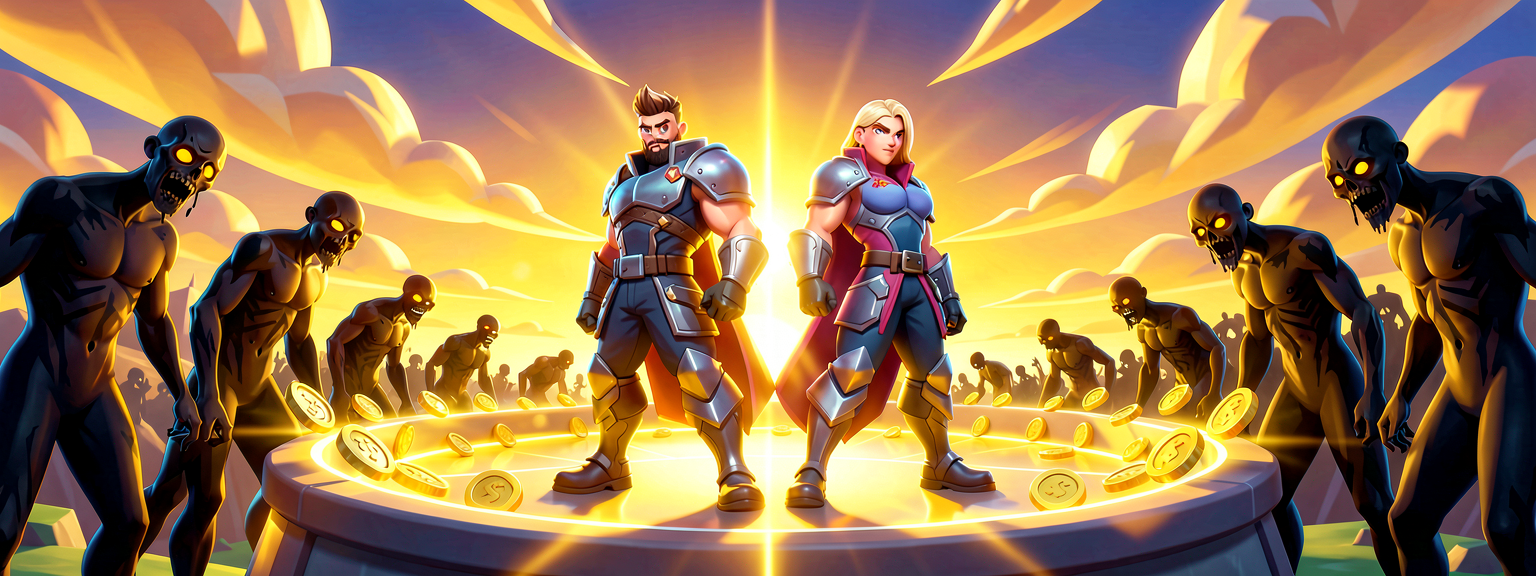
Horde Survival is a co-op PvE wave-defense mode. Players share an arena against waves of spawned AI:
- Each wave spawns a fixed number of enemies; clear them all to advance.
- Each new wave is harder — more enemies, tougher types, faster spawns.
- Players earn currency per kill to buy weapons, ammo, and upgrades between waves.
- The run ends when the whole team is down; your score is the wave you reached.
The fantasy is the heroic last stand — coordinating a team to hold a line that keeps getting heavier.
2. Type of game
| Attribute | Typical value |
|---|---|
| Genre | Co-op PvE / wave defense ("zombies") |
| Teams | One co-op team (1-4 players) vs AI |
| Players | Solo up to 4-player co-op; some support more |
| Match length | 10-30+ minutes; ends when the team wipes |
| Respawns | Down-and-revive within a run; full reset on team wipe |
| Map shape | A defensible arena with chokes, high ground, and buy stations |
3. The loop
Every wave is the same beat at rising intensity: enemies spawn, the team clears them, everyone buys upgrades, then the next, bigger wave begins.
The craft is the ramp: each wave must feel a notch scarier so the team is always one mistake from being overwhelmed.
4. Why it's fun
- Co-op camaraderie. Holding a line with friends, calling out flanks and reviving downed teammates, is the social heart of the mode.
- Power fantasy curve. You start with a pistol and end mowing down hordes with an upgraded arsenal — the progression feels great.
- Escalating dread. Every wave is heavier; the tension of "can we survive the next one?" never lets up.
- Score chase. "What wave did you reach?" is a clean, brag-worthy leaderboard metric.
- Endless variety. Special enemy types, boss waves, and map events keep each run fresh.
5. Who made the great ones
Zombies/horde is one of Creative's biggest PvE categories:
- goodgamerslegacy —
Zombieland(code 9369-6922-8408) is widely called the most popular pure-zombies map, with traditional progression and levelling. - Shucksourdiesel —
Horde Rush, an intense 4-player, 12-round mode where the team clears every enemy as waves converge from all sides. - Deadpines: Zombie Survival (code 0598-1708-7538) — an open-world, rogue-like co-op zombies map for up to four, ranking up power against endless hordes.
- ITSSPARK —
Sunrise City - Horde Survival(code 5780-2589-3510), a record-chasing destroy-the-zombies survival build.
6. Examples / variants
- Round-based zombies — classic CoD-style: clear the round, buy, repeat, endless ramp.
- Horde rush — a fixed number of escalating waves with a final boss; beat them all to win.
- Open-world rogue-like — roam an arena, level up power, fight endless spawns (Deadpines style).
- Tower-defense hybrid — build/repair barriers between waves to funnel the horde.
7. How to make it in UEFN / Verse
<!-- section-art:7-how-to-make-it-in-uefn-verse -->
Wave Manager
The devices you'll place
- Guard Spawner / AI spawners — the enemies. You place spawners and trigger them per wave.
- Elimination Manager (
elimination_manager_device) — firesEliminatedEventon each kill, so Verse can count down the wave. - Item Granter (
item_granter_device) — to grant currency, ammo, or upgrade weapons between waves viaGrantItem. - Player Spawn Pads + a defensible arena with buy stations.
The Verse mechanic that ties it together
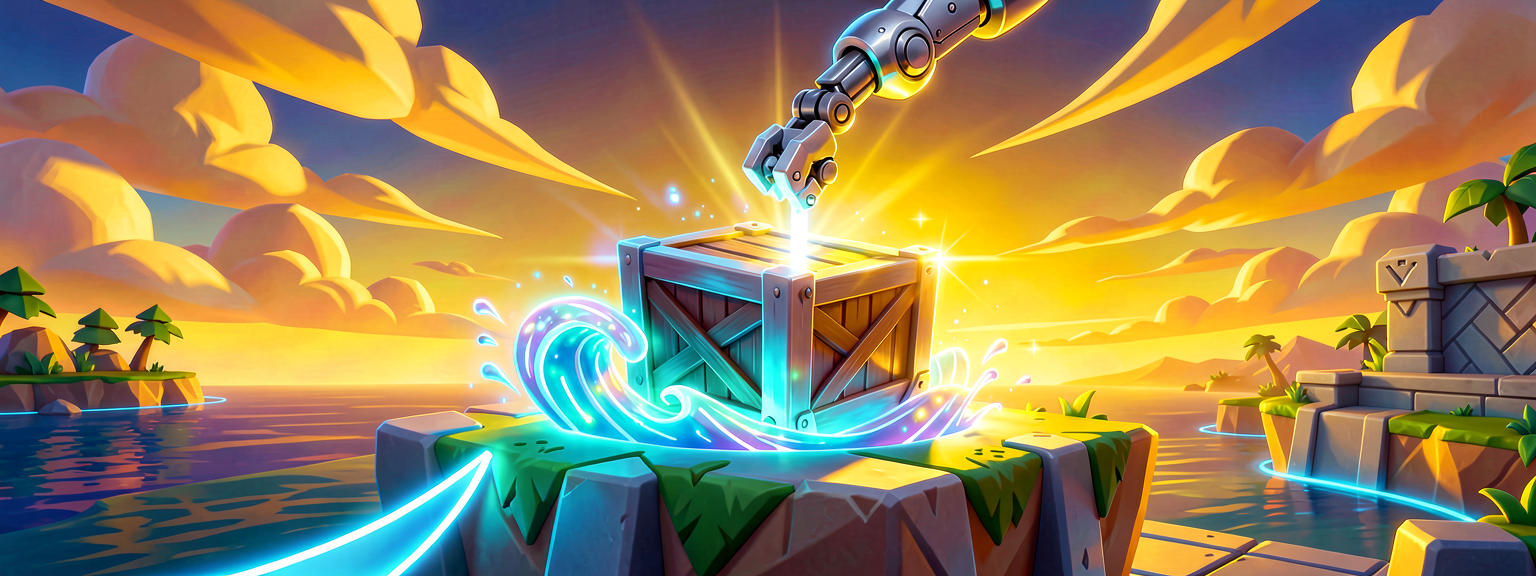
Spawning is device-driven. Verse owns the wave state machine: count kills until the wave is clear, then advance and scale up the next wave. The series staple returns — subscribe to an event, react — on the Elimination Manager's EliminatedEvent.
# elimination_manager_device fires EliminatedEvent : agent on each kill.
EliminationManager.EliminatedEvent.Subscribe(OnEnemyEliminated)
To reward kills we use the Item Granter — the simplest grant call in the API:
# item_granter_device hands the agent its configured item (e.g. currency).
RewardGranter.GrantItem(Killer)
The full, compile-verified wave manager
Drop this horde_survival_device into your project, wire the @editable
Elimination Manager and reward Item Granter, and it counts kills, advances
waves, scales difficulty, and rewards each elimination. It's a standalone
creative_device, so it compiles on its own.
How it works, line by line
@editable EliminationManager+RewardGranterlet a designer drag the real devices in.StartWaveincrements the wave and computes its size asBaseWaveSize + (wave-1) * step— that arithmetic is the difficulty ramp.OnEnemyEliminatedrewards the killer withRewardGranter.GrantItem(Killer)(currency), then decrements the wave's remaining enemies.- When
EnemiesLeftInWave <= 0the wave is clear andStartWaverolls straight into the next, bigger one. EndRunis the wipe hook — wire 'all players down' to it to finalize the score as the reached wave.
Gotchas
- The AI is device-spawned, not Verse-spawned here. Trigger your Guard/AI spawners for the wave count; Verse owns the count and ramp, not the spawn mechanics.
EliminatedEventfires for any tracked elimination. Scope the Elimination Manager to the AI team so player downs don't decrement your enemy count.GrantItemgrants the granter's configured item. Set the Item Granter to your currency item; call it per kill to pay the team.- Tune the ramp carefully.
EnemiesPerWaveStepplus tougher enemy types is the whole feel — too flat is boring, too steep is a brick wall.
Recap
- Horde Survival is co-op PvE wave defense: hold out against escalating waves of AI, buy upgrades, and chase a high wave count.
- The fun is co-op camaraderie, a satisfying power curve, and relentless escalating dread.
- In UEFN AI/Guard spawners provide the enemies, the Elimination Manager reports kills, and the Item Granter pays out currency.
- The Verse pattern is the series staple plus a state machine: subscribe to
EliminatedEvent, reward + count down the wave, then advance and scale the next. - The difficulty ramp (
BaseWaveSize + wave * step, tougher types) is the craft that keeps a horde mode tense.
Get the complete code — free
You've read the full walkthrough. The complete, copy-paste-ready Verse solution is free for members — sign in to unlock it.
Free with your BrainDead.TV / BrainDeadGuild Discord account. The walkthrough above is always free.
Check your understanding
Test yourself with an interactive quiz and track your progress + earn XP — free for members.
Turn this into a guided course
Add Game Modes — Horde Survival: the escalating-wave co-op loop and a compile-clean Verse wave manager to your free study plan — we'll suggest related pages and stitch the lot into one compile-checked, self-guided lesson with worked examples and quizzes.
References
Original tutorial generated by Verse Island from the Verse/UEFN knowledge base, with references to the Epic Games sources above. Code is validated against the knowledge base.